Articles / Blog
All Our Articles In One Place
Redesigning the Future of Public Education (with Dr. Katie Martin)
Dr. Katie Martin is the best-selling author of Learner-Centered Innovation. As the Co-CEO of Learner Centered Collaborative, Martin is helping schools redesign what public education looks like.
In this episode, she dives into her experience as a teacher, leader, and former Alt School employee - and shares what is working right now in schools today across the country.
What does it take to redesign school so students find meaning in their learning—and teachers have the time and support to make it happen?
We explore personalized learning, the challenges of changing school systems, and how AI could create more room for teachers to coach, connect, and support students. Throughout our conversation, Katie returns to a central idea: start with a clear vision for learners, then choose the tools and structures that help bring it to life.
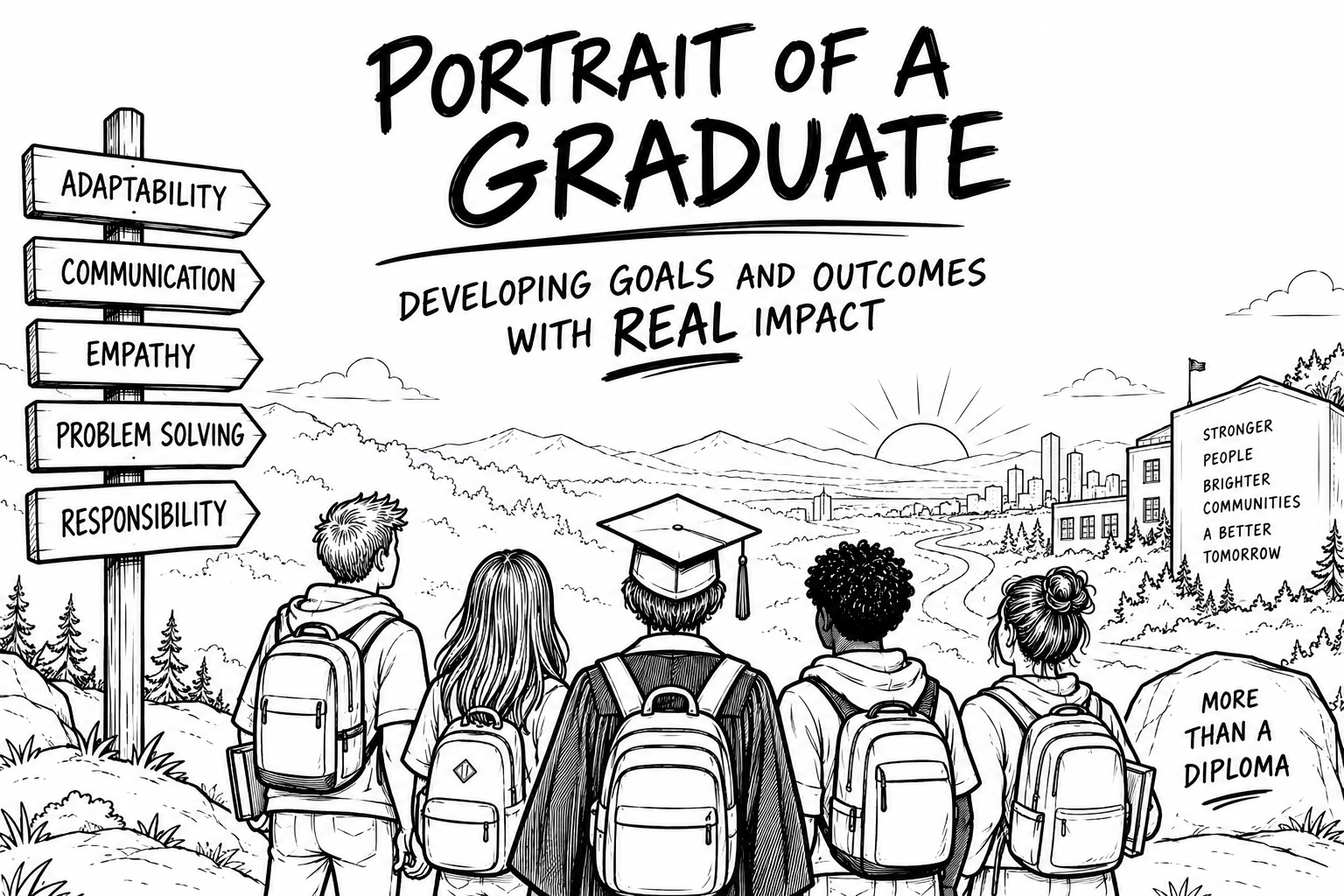
Portrait of a Graduate: Developing Goals and Outcomes With REAL Impact
Walk into almost any district office in America and you'll see it. A beautifully designed graphic, usually framed, sometimes printed on a banner in the lobby. A silhouette of a student surrounded by five or six words.
Critical Thinker. Collaborator. Communicator. Creative Problem Solver. Empathetic Global Citizen.
The Portrait of a Graduate.
I've helped districts build these. I've facilitated the community sessions, sat with the sticky notes, and watched parents, teachers, business owners, and students argue passionately about whether "resilience" or "adaptability" belongs on the final version. Those conversations matter, and they are some of the best conversations a school community can have.
But, here's what I've also seen. Two years later, the portrait is still on the wall, and almost nothing about a student's Tuesday has changed.Walk into almost any district office in America and you'll see it. A beautifully designed graphic, usually framed, sometimes printed on a banner in the lobby. A silhouette of a student surrounded by five or six words.
Critical Thinker. Collaborator. Communicator. Creative Problem Solver. Empathetic Global Citizen.
The Portrait of a Graduate.
I've helped districts build these. I've facilitated the community sessions, sat with the sticky notes, and watched parents, teachers, business owners, and students argue passionately about whether "resilience" or "adaptability" belongs on the final version. Those conversations matter, and they are some of the best conversations a school community can have.
But, here's what I've also seen. Two years later, the portrait is still on the wall, and almost nothing about a student's Tuesday has changed.
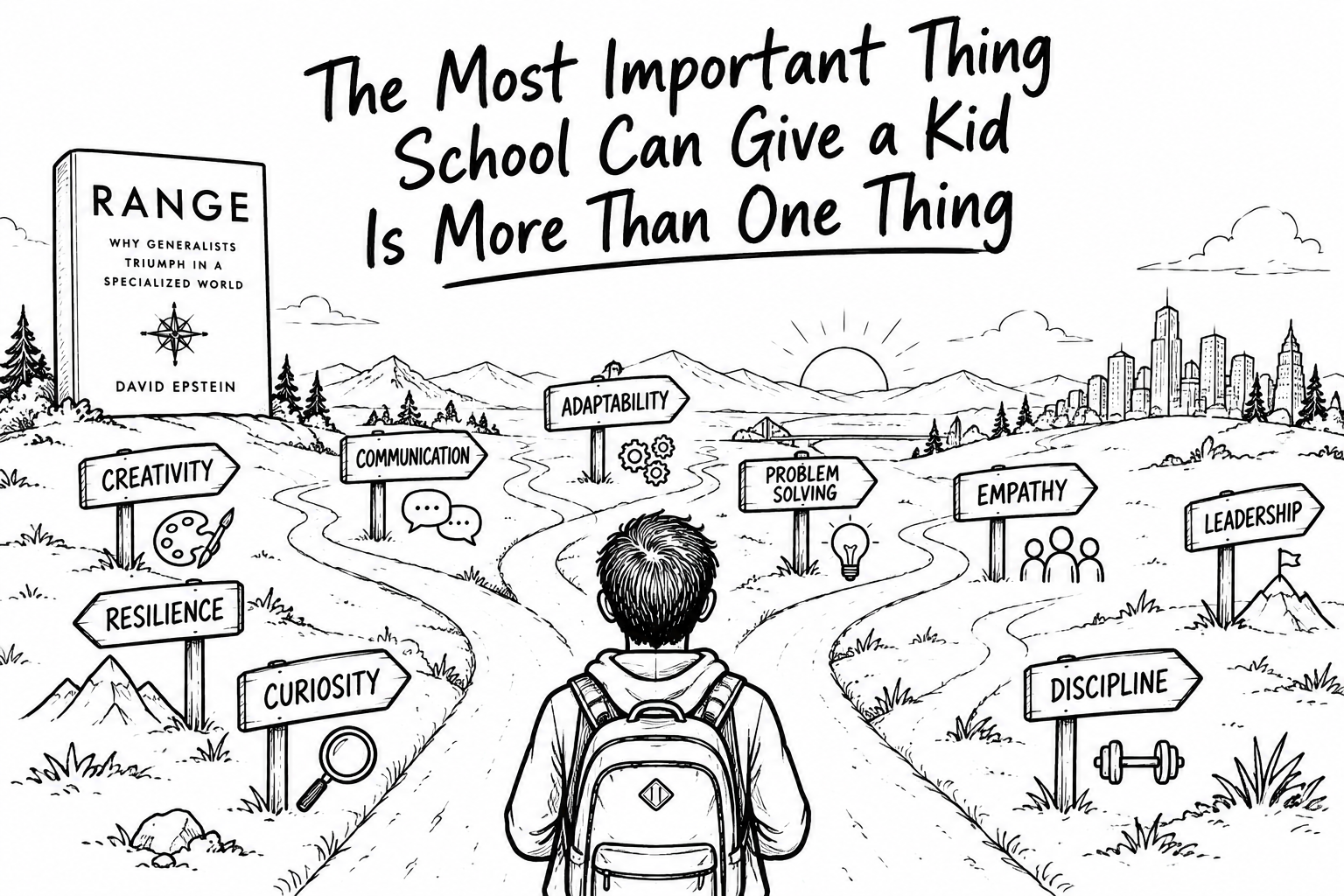
The Most Important Thing School Can Give a Kid Is More Than One Thing
We’ve been told to pick one thing → Niche down → Get the degree, get the job.
Koe argues that this advice is a leftover from an economy built around narrow, repeatable tasks, and that in a world where AI can do more of those tasks, the rarest thing a person can offer is a perspective no one else has.
That perspective comes from the combination of everything they've pursued, and as he puts it, "Your edge lies more in intersection than it does in expertise."
He also makes a point I love: every interest you pursue leaves something behind. This leaves some a trail with more connections to draw on, a richer model of how the world works, and more problems you can actually see.
I don't agree with every piece of his framing. I think the "schools were built only to make factory workers" line is a bit too tidy as history (we explore that in my Learning 3.0 book). But, the core idea is right, and it lines up almost perfectly with what David Epstein found when he went looking at the research.
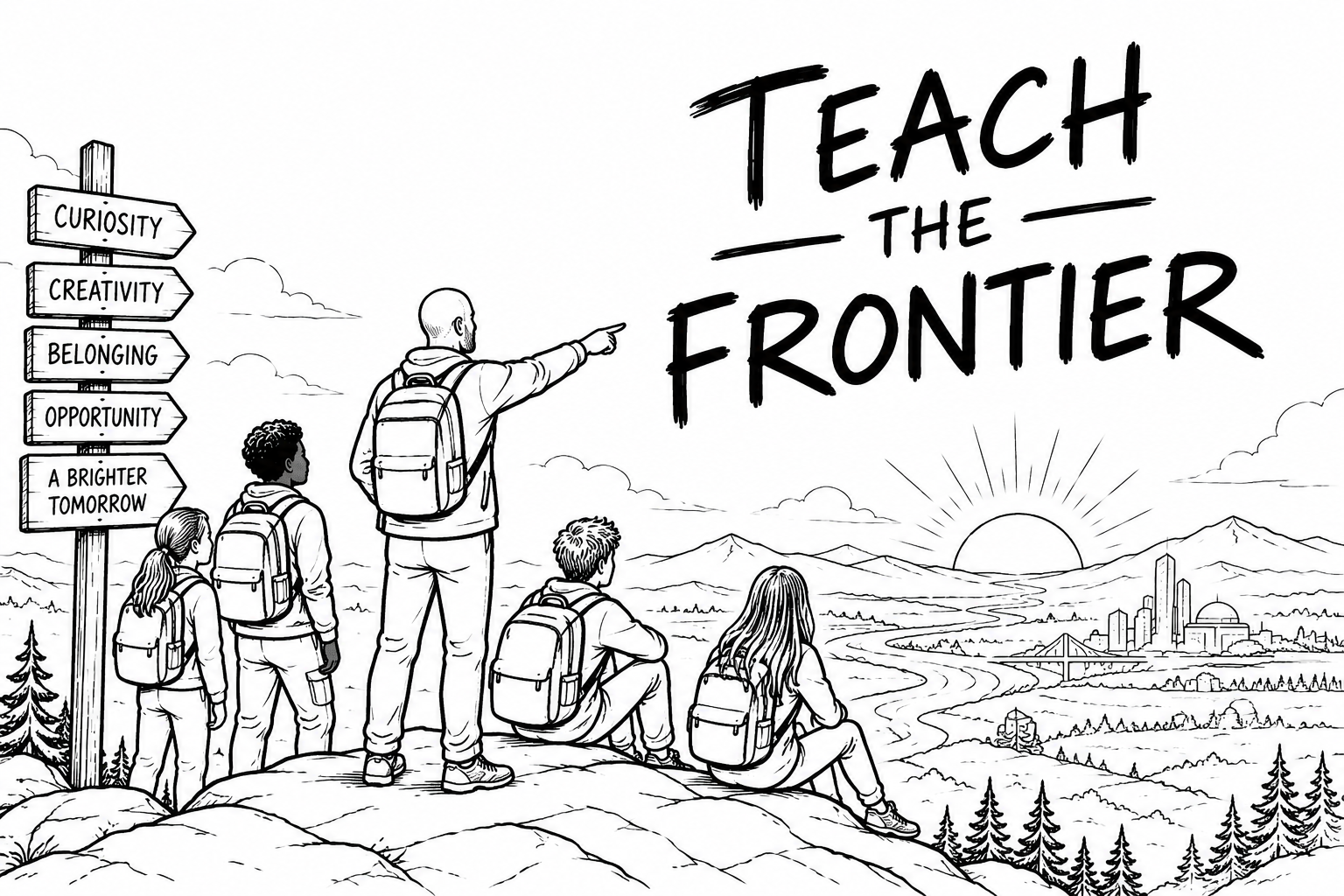
Teach the Frontier
All three positions assume that somewhere, someone has the knowledge and judgment to look at what a model produced and say, "That's wrong."
None of these essays mention kids, BUT all of them are about judgment.
Let’s be real. We can't pace the frontier from a classroom, and we probably can't open it from the kitchen table (yet).
But we can teach it, and that might matter more than any of the three proposals, because the evaluators, engineers, voters, and skeptics of 2040 are sitting in our schools right now.
So what does teaching the frontier actually look like?
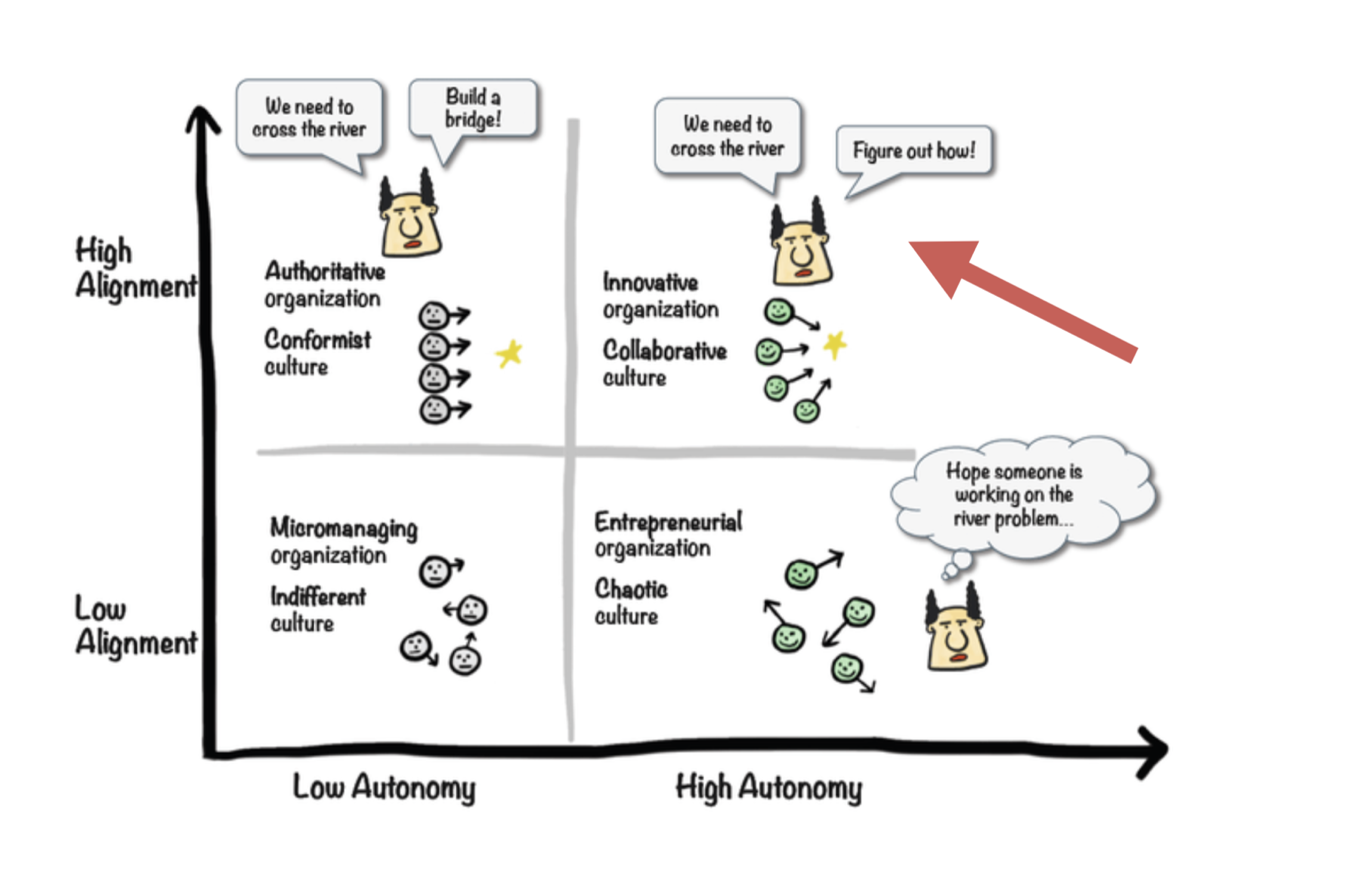
School Leaders: Autonomy Is Not the Opposite of Alignment
Every school leader I talk to right now is running the same math in their head.
If we get everyone aligned, I might lose my best people. If I give everyone room and autonomy, we will lose any sense of coherence.
Someone at a leadership retreat I was leading, said the quiet part out loud, “that is the job in 2026.”
Attendance is still tough to gauge and an issue. Cell phone and technology policy has become a political event. The reality is your teachers are most likely in three different camps on AI, and all three think they are the reasonable one.
Enrollment is most likely down, homeschool on the rise, the budget is worse, and somebody wants to talk about the reading curriculum again.
The numbers back up all those feelings.
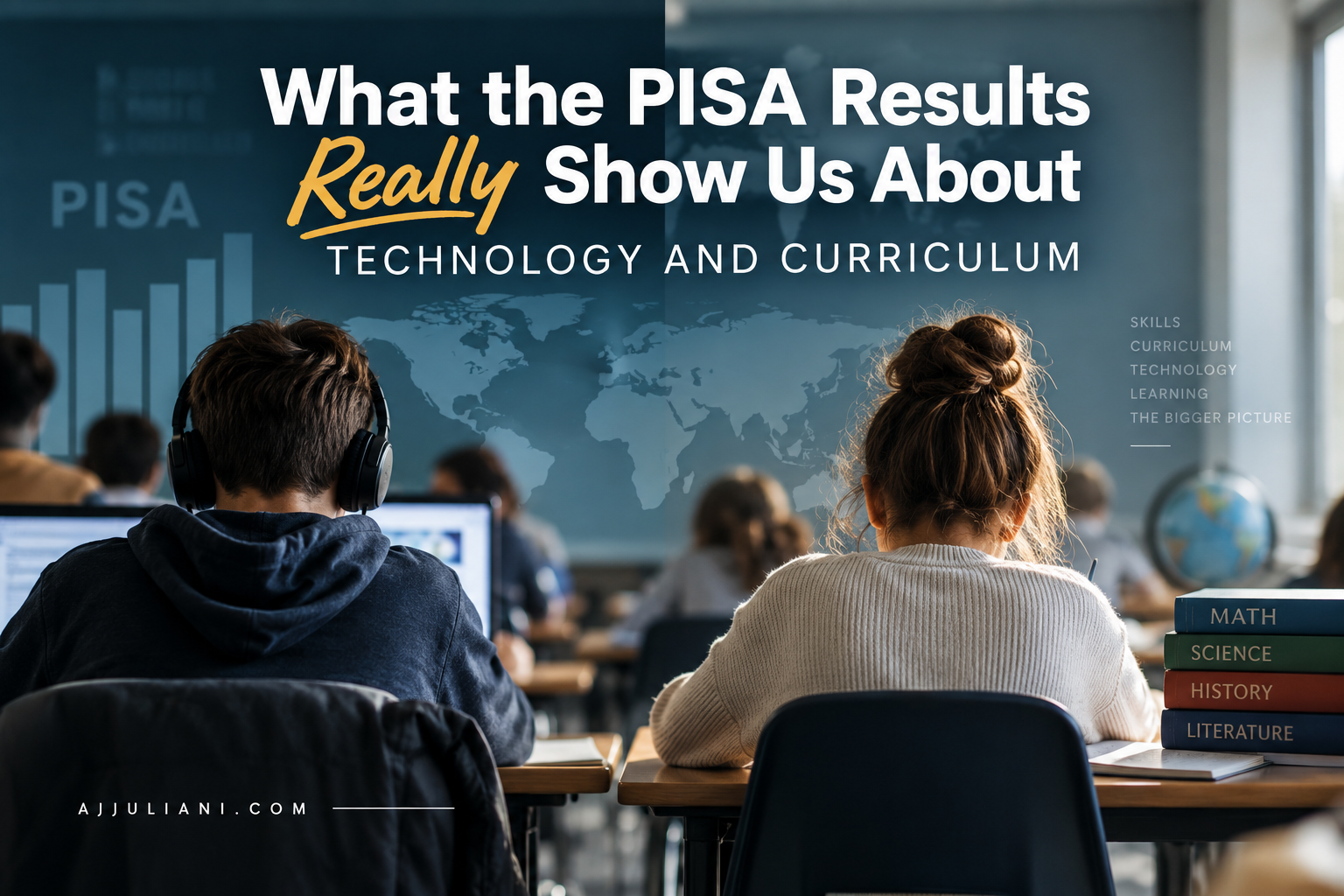
What The PISA Results Really Show Us About Technology And Curriculum
So here is my argument.
Technology in the classroom is not what caused this. And if your district builds its response around the assumption that it did, you will spend the next three years solving the wrong problem with real money and real teacher time.
I’ve written about this before. About how we love a “villain” each decade in US schooling/education. Right now we’ve gone from phones, to classroom tech, to AI in a very short period of time.
Some of these arguments are well placed as we’ll look at below. Others make very little sense. Let’s dig in.
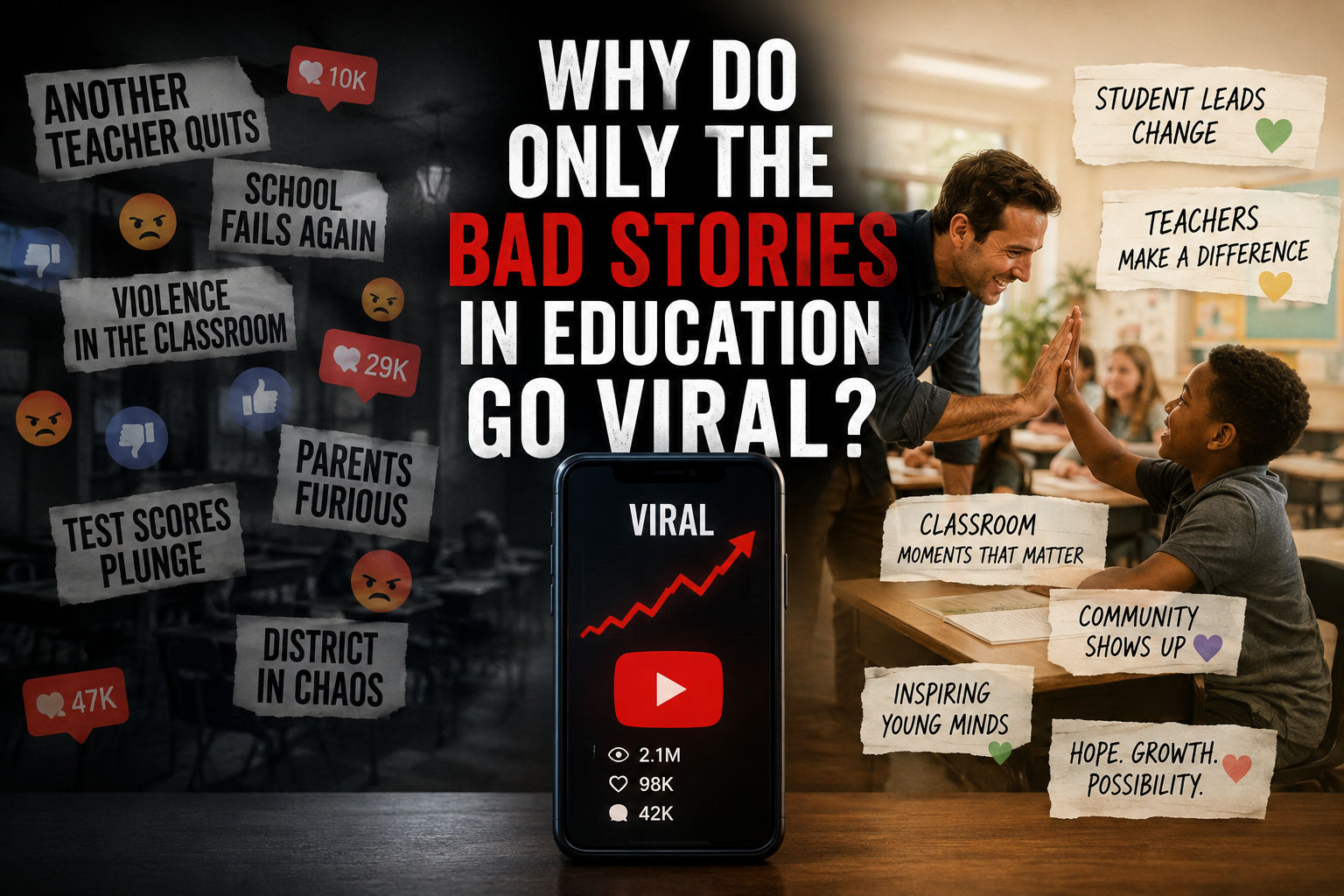
Why Do Only The Bad Stories In Education Go Viral?
Why do only the bad stories in education go viral? Reflections on being back in the classroom…
That’s what I was left thinking after my first week back in the classroom, teaching.
The last few weeks social media had a flood of “these kids can’t write a sentence” or “they don’t listen” or “they don’t read books” or “they can’t do simple math” stories.
Each one perpetuating the idea that students just aren’t the same, and it’s really bad out there in schools.
Guess what? 20 years ago teaching middle school and high school English I had kids that struggled to write, or read a book, and you know what we DID NOT DO…post social media videos about it.
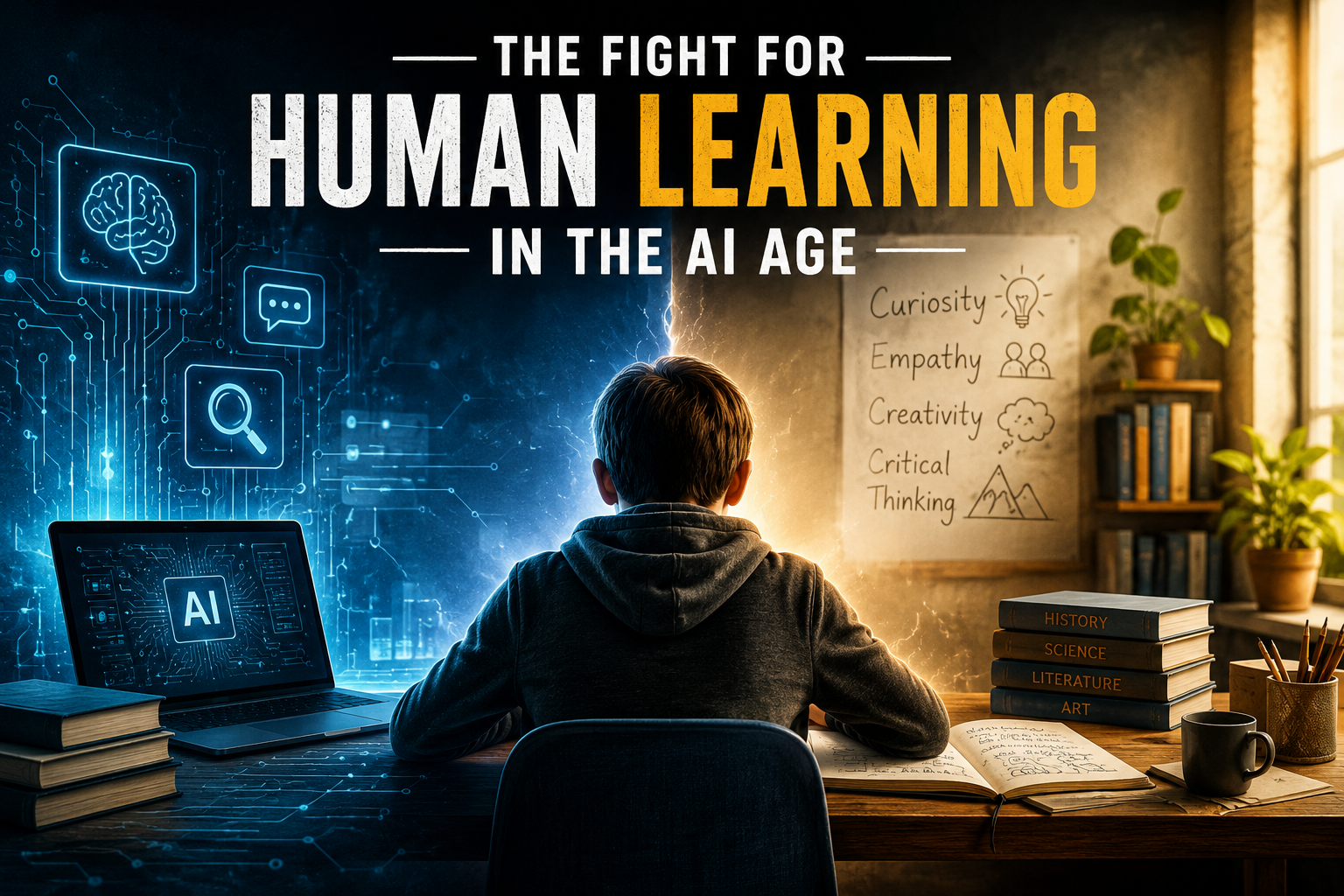
The Fight For Human Learning in the AI Age
I was with a group of teachers in Chicago this week, and we were talking about how AI is creeping into everything we do in life. We laughed about the Terminator, but secretly many of us (including me) were wondering if that future wasn’t too far off.
The thing that we said was going to make us more connected (social media) has often made us feel more disconnected than ever.
The thing that has all the world’s knowledge (internet) has left many less knowledgeable.
What is going to be AI’s sentence? (Yes, that is a pun!)
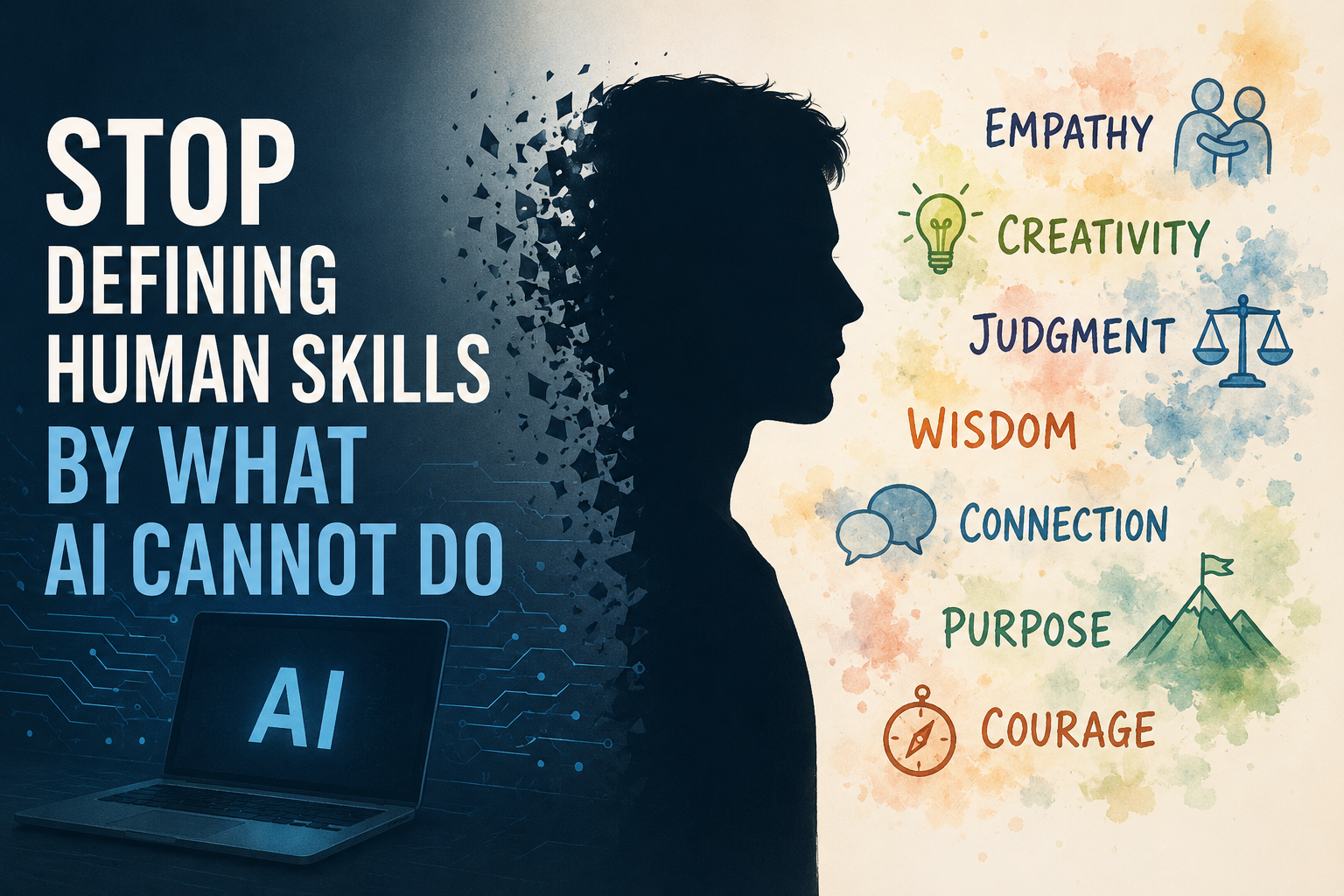
Stop Defining Human Skills by What AI Cannot Do
We now have AI agents that take multi-step actions without checking in. There are wearables that capture context all day. The soon-to-be-future of robotics is finally leaving the demo video. If your framework was already wobbling under a chatbot, it will not survive the next four things.
So here is a better question (maybe a different question).
"What does a person need in order to make good decisions about anything, including the machine?"
That question produces a list that holds still long enough to teach.
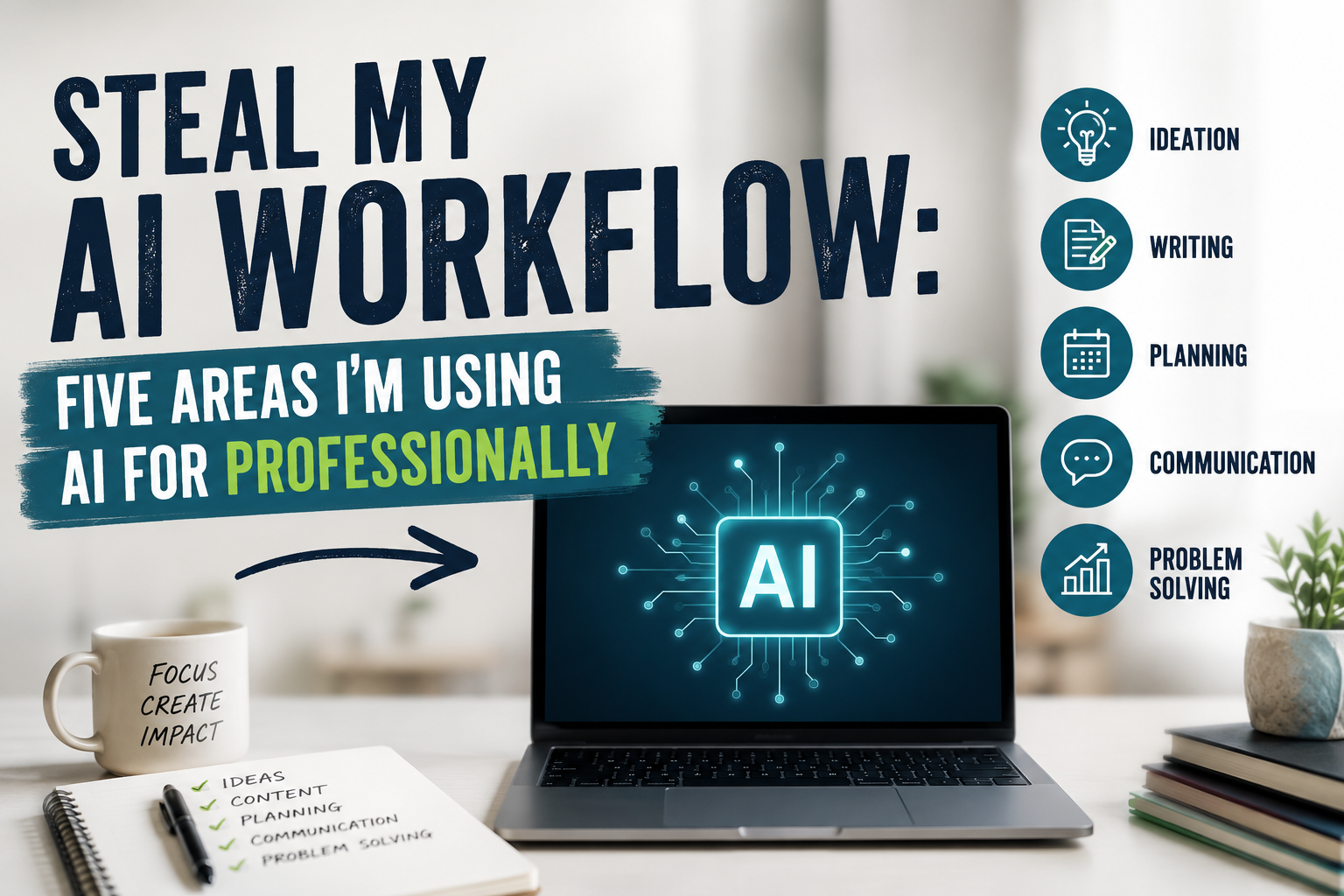
Steal My AI Workflow: Five Areas I’m Using AI For Professionally
Most AI advice for educators is still stuck at the prompt level.
You have seen the posts. "50 prompts every teacher needs." "The ultimate prompt library for principals." I have written some version of that myself (sorry!), and I do not think it was wrong so much as it was small. A prompt gets you a better sentence, BUT a workflow gets you back a Tuesday afternoon.
The shift I have made over the last two years has almost nothing to do with finding better words to type into a box. It had to do with figuring out which parts of my job are actually repeatable processes wearing a disguise, and then handing those processes off in a way that holds up when I am not watching.
Here are the five places that shift has stuck. Steal any (or all) of them.
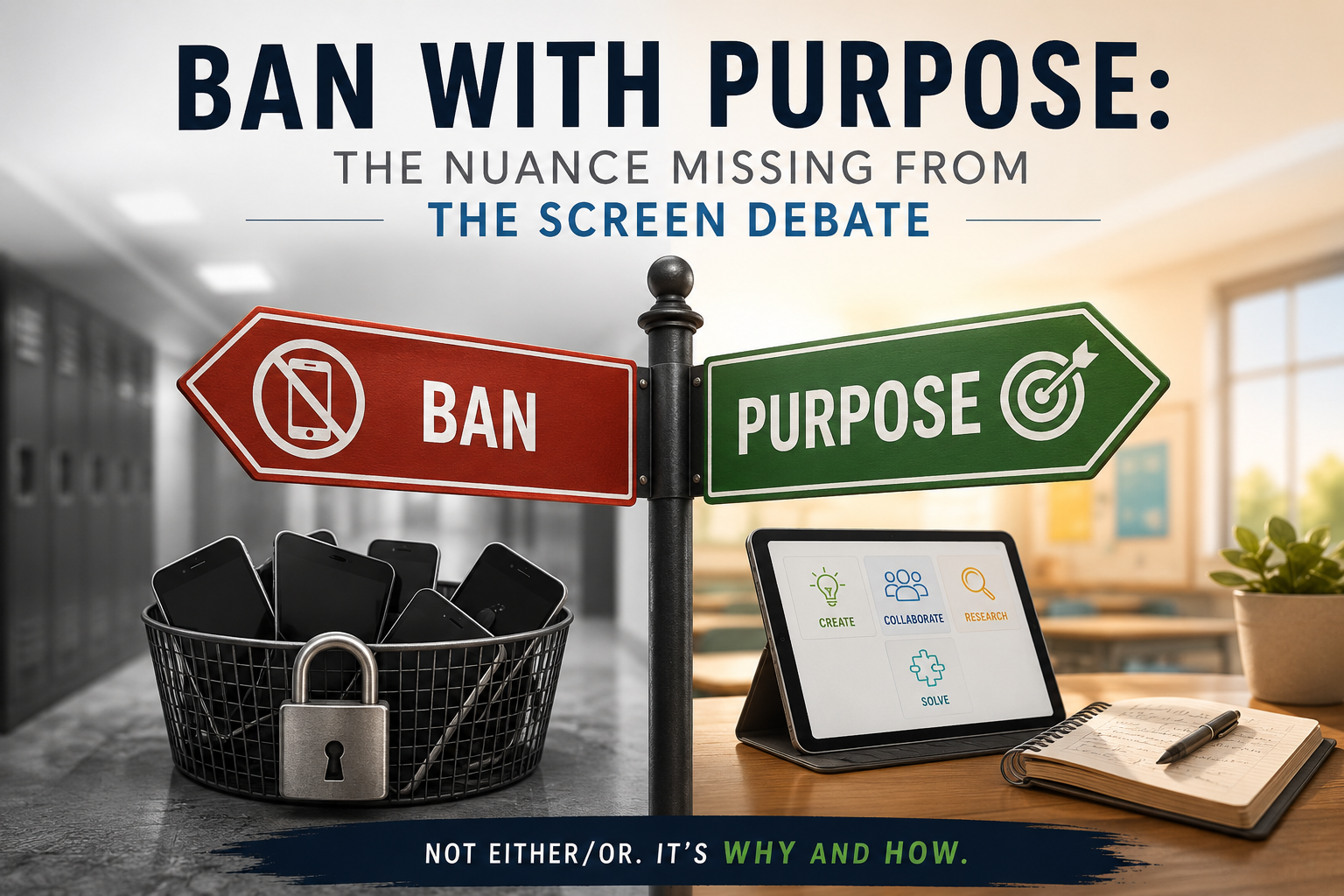
Ban With Purpose: The Nuance Missing From the Screen Debate
The screen debate has collapsed into two camps, and both of them are missing much needed nuance. One side treats every ban as a moral panic. The other treats every device as a threat to childhood. Meanwhile the actual question, what are we banning and what are we banning it for, almost always gets lost in the noise.
Robert Pondiscio waded into that noise last week with a piece more people in education need to sit with. In The Trouble With Tech Abstinence, he makes the case that phone bans are working, just not for the reason most people think, and that the growing backlash against all classroom technology risks throwing away the most significant learning opportunity we've seen in a generation.
I agree with almost all of it. I do want to push on the part where I think he stops one step short.
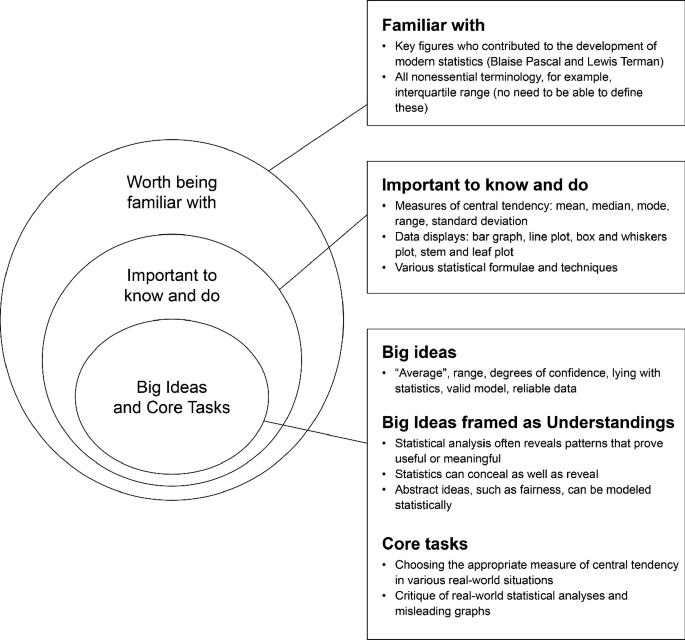
What is Worth Knowing in a World of AI?
Ask a room full of educators what students need to know and you might get a hundred different answers. Ask your favorite AI app the same question and you will get an answer in three seconds, footnoted, formatted, and wrong in ways that are hard to spot.
That is the actual crisis we are dealing with. We never finished deciding what was worth knowing in the first place, and now we have handed the question to a machine that will answer it whether we are ready or not.
Grant Wiggins and Jay McTighe saw this coming 25 years before ChatGPT existed. They called it coverage. It seemingly matters more today than ever.